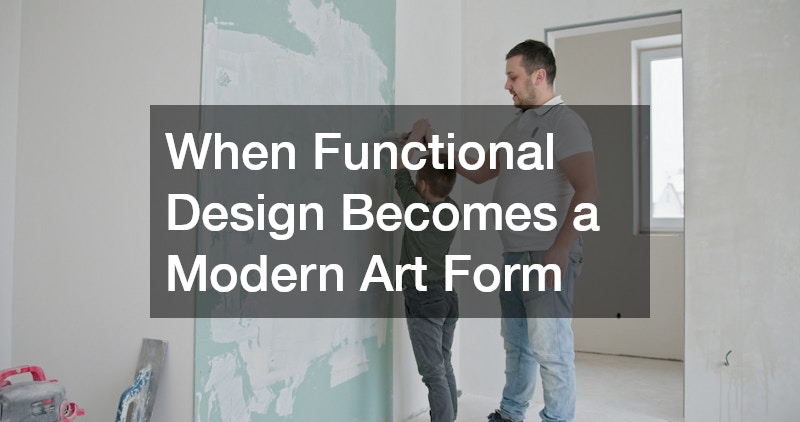
When Functional Design Becomes a Modern Art Form

Modern art is no longer confined to museums, galleries, or academic spaces. In today’s creative landscape, art increasingly exists where people work, gather, and move through daily life. Functional design has emerged as one of the most influential expressions of contemporary art, blending creativity with purpose in ways that feel accessible and meaningful. Rather than existing solely to be observed, modern art is now experienced through interaction—walls become statements, materials tell stories, and practical objects transform into visual experiences that gain relevance through everyday use.
This evolution reflects a broader shift in how art is created and valued. Process, material treatment, durability, and adaptation are now integral parts of artistic expression, shaping how work ages and how audiences connect with it over time. Functional design also expands access to art by bringing creativity into homes, offices, storefronts, and public spaces, inviting broader participation and appreciation. Throughout this article, we explore how thoughtful design choices elevate function into art, encouraging readers to view familiar spaces through a more creative and intentional lens.
Using Living Spaces as Creative Canvases
Living and working environments have become some of the most powerful platforms for modern artistic expression. Walls, ceilings, and architectural details are no longer viewed as neutral backdrops but as opportunities to communicate mood, identity, and narrative. Through thoughtful interior painting, spaces are transformed into immersive visual experiences that balance personal expression with daily functionality.
Color selection plays a central role in this process. Artists and designers use palettes to evoke emotion, guide movement, or define zones within a space. Texture, finish, and layering further enhance visual depth, allowing surfaces to respond differently to light and perspective throughout the day. These choices turn static structures into dynamic compositions that evolve with use and time.
At the same time, functionality remains essential. Unlike gallery walls, lived-in spaces must withstand regular interaction. Successful designs consider wear patterns, lighting conditions, and maintenance requirements without compromising artistic integrity. This balance is what separates functional art from purely decorative treatments.
Key considerations when treating interiors as art include:
- Understanding how scale affects visual impact across large surfaces
- Choosing finishes that align with both aesthetic goals and practical needs
- Integrating architectural features into the overall composition
- Designing with longevity in mind rather than short-term trends
By approaching interior environments with the mindset of an artist, designers can create spaces that feel intentional and expressive. The result is art that is not only seen but lived within, offering daily engagement rather than passive observation.
Preserving Artistic Integrity in High-Traffic Environments
As functional art becomes more integrated into everyday spaces, durability becomes a critical concern. High-traffic environments such as offices, public buildings, and commercial interiors demand surfaces that maintain their appearance despite constant use. This is where protective strategies play a vital role in preserving creative intent over time.
Applying paint protection allows artists and designers to safeguard visual elements without altering their aesthetic impact. Protective coatings help resist scuffs, stains, fading, and environmental damage, ensuring that artistic surfaces remain vibrant and intact. These measures support the idea that modern art can be both expressive and resilient.
Preservation is not about limiting creativity but extending it. When surfaces are protected, they retain their original character longer, allowing audiences to experience the work as intended. This longevity reinforces the value of functional art as an investment rather than a temporary installation.
Important factors in protecting artistic surfaces include:
- Selecting coatings compatible with the original materials
- Considering environmental exposure, such as sunlight or moisture
- Balancing matte, satin, or gloss finishes with protective performance
- Planning maintenance schedules that do not disrupt visual continuity
By integrating protection into the design process, functional art gains durability without sacrificing expression. This approach respects both the artistic vision and the practical realities of shared spaces.
Treating Furniture and Textiles as Art Objects
Furniture and textiles often serve as overlooked canvases within functional design, yet they play a powerful role in shaping visual narratives. Upholstered pieces, in particular, combine form, color, and texture in ways that invite both interaction and interpretation. When approached thoughtfully, these elements become integral components of a modern artistic environment.
Maintaining these pieces is just as important as selecting them. Regular care using an upholstery cleaner preserves color accuracy, texture, and structural integrity. Proper maintenance ensures that functional art retains its intended impact while remaining comfortable and usable.
Textiles contribute warmth and softness to modern spaces, balancing harder architectural lines. Their patterns and materials can reinforce themes or introduce contrast, adding layers of meaning to the overall design. Over time, well-maintained furnishings continue to communicate artistic intent rather than appearing worn or neglected.
Effective care and integration of textile-based art involves:
- Choosing fabrics that align with both visual goals and usage demands
- Establishing maintenance routines to preserve appearance
- Considering how texture influences spatial perception
- Coordinating furniture design with surrounding surfaces
By elevating furniture and textiles to the level of art objects, designers create environments where creativity is woven into daily life. These elements demonstrate that functional pieces can be both practical necessities and meaningful artistic expressions.
Expanding Artistic Expression Through Fabric and Materials
Modern art increasingly embraces materials traditionally associated with manufacturing and production. Fabric, once viewed as purely functional or decorative, has become a powerful medium for contemporary expression. Techniques such as wholesale custom fabric sublimation allow artists and designers to apply vivid imagery, patterns, and conceptual visuals directly onto textiles with precision and durability.
This approach opens new possibilities for large-scale installations, furniture coverings, and architectural accents. Because sublimation embeds designs into the fabric itself, the resulting work resists fading and wear, making it ideal for functional environments that still demand artistic impact. Fabric-based art becomes part of the structure of a space rather than an added embellishment.
Artists working with fabric must think differently from painters or sculptors. They consider how material moves, how it interacts with light, and how repeated use affects perception. Functionality shapes the art, forcing creators to balance expression with usability.
Successful fabric-based functional art often involves:
- Selecting textiles that complement the intended application
- Designing patterns that maintain clarity at different scales
- Considering tactile experience alongside visual impact
- Planning for long-term durability in active environments
By incorporating advanced textile techniques into functional design, creators blur the line between art and utility. The result is art that surrounds, supports, and interacts with its audience rather than remaining static or distant.
Reimagining Existing Structures Through Creative Renewal
One of the most compelling aspects of functional modern art is its ability to transform what already exists. Rather than discarding outdated or worn elements, designers increasingly focus on renewal as a creative act. Updating cabinetry, fixtures, and built-in features allows artistic expression to emerge from sustainability and reuse.
A cabinet refinishing service exemplifies this philosophy. Instead of replacing cabinetry entirely, refinishing reimagines surfaces through color, texture, and finish. These updates can dramatically alter the character of a space while preserving its original framework. The process becomes a form of applied art rooted in transformation rather than replacement.
Refinished elements often serve as visual anchors within a room. Bold colors or subtle finishes can create focal points that guide movement and attention. The artistic value lies not only in the final appearance but in the intentional decision to enhance rather than erase existing structures.
Key strategies for creative renewal include:
- Evaluating structural integrity before aesthetic changes
- Choosing finishes that align with the broader artistic vision
- Using contrast to highlight original forms
- Coordinating renewed elements with surrounding materials
Through thoughtful refinishing, functional components gain a new identity. This approach reinforces the idea that modern art does not always require new materials—sometimes it emerges through reinterpretation and care.
Using Graphics and Visual Markings as Public Art
Graphics applied directly to surfaces have become a powerful form of functional art, particularly in public-facing environments. From storefronts to interior walls, visual markings communicate information while simultaneously shaping aesthetic experience. Techniques like local decal painting allow artists to integrate graphics seamlessly into architectural contexts.
These visual elements often serve dual purposes. They guide, inform, or brand spaces while also contributing to atmosphere and identity. When executed thoughtfully, decals and painted graphics feel intentional rather than purely commercial, aligning with broader artistic goals.
Designers must consider visibility, scale, and placement carefully. Graphics should complement architectural features rather than overwhelm them. Color contrast, typography, and spatial flow all influence how these elements are perceived and interacted with.
Effective graphic-based functional art involves:
- Aligning visual language with the purpose of the space
- Ensuring readability without sacrificing creativity
- Selecting materials suitable for surface conditions
- Planning layouts that guide movement naturally
By treating graphics as artistic interventions rather than afterthoughts, designers elevate everyday visuals into meaningful expressions. These applications demonstrate how functional communication can coexist with modern artistic sensibilities.
Revealing Beauty Through Surface Preparation and Contrast

Modern functional art often begins before color, imagery, or design is applied. Surface preparation itself can be an artistic act, shaping texture, depth, and contrast. Techniques used by sandblasting businesses demonstrate how removal and exposure can be as expressive as addition. By stripping surfaces down to their raw form, designers reveal natural patterns and structural character that inform the final visual outcome.
Sandblasted surfaces introduce tactile variation and visual complexity. They interact with light differently from smooth finishes, creating shadows and highlights that evolve throughout the day. This approach emphasizes material honesty, allowing wood, metal, or stone to express its inherent qualities rather than hiding them beneath uniform coatings.
In functional environments, these prepared surfaces serve practical purposes as well. They improve adhesion for finishes, increase durability, and enhance longevity. The artistic value emerges from intentional restraint—allowing materials to speak rather than overpowering them.
Key considerations when using exposed surfaces include:
- Understanding how texture influences spatial perception
- Selecting finishes that complement raw material qualities
- Balancing roughness with usability
- Integrating exposed elements into cohesive design narratives
By embracing preparation as part of the artistic process, functional design gains authenticity and depth. These surfaces remind viewers that art can emerge from process as much as from decoration.
Turning Practical Distribution Into Visual Experience
Even behind-the-scenes elements of functional environments can carry artistic significance. Packaging, storage, and transport systems influence how objects are experienced before they reach their final destination. Thoughtful packaging services recognize that presentation begins long before display, shaping perception and expectation.
Designers increasingly approach packaging as an extension of the creative work itself. Color schemes, materials, and structural design reflect the same visual language found in the finished product or space. This continuity reinforces artistic identity while maintaining protective functionality.
In modern art contexts, packaging can become part of the narrative. Reusable containers, modular designs, and visually cohesive materials reflect sustainability and intention. These choices demonstrate that functionality and aesthetics are not competing priorities but complementary ones.
Effective creative packaging strategies include:
- Aligning packaging visuals with artistic themes
- Choosing materials that balance protection and presentation
- Designing reusable or adaptable solutions
- Considering unboxing or unpacking as part of the experience
When approached creatively, distribution systems contribute to the overall artistic ecosystem. They ensure that function supports expression at every stage of interaction.
Integrating Visual Identity Into Shared Environments
Visual markers play a crucial role in shaping how people navigate and understand shared spaces. Signage, labels, and directional elements can transcend pure utility when designed with artistic intent. A thoughtfully designed custom sign becomes both a functional guide and a visual statement within an environment.
Modern designers often treat signage as sculptural or graphic art. Materials, typography, and placement work together to reinforce identity while enhancing spatial flow. Rather than interrupting design, signs become integrated elements that support both movement and mood.
In educational and cultural settings, signage must balance clarity with creativity. It should communicate information efficiently while contributing to the atmosphere of the space. When executed well, functional markers enhance engagement rather than distract from it.
Important factors in artistic signage include:
- Choosing materials that reflect the environment’s character
- Designing typography that is readable yet expressive
- Considering scale and placement for visual harmony
- Coordinating signage with architectural features
By elevating visual identity tools into artful elements, functional spaces become more intuitive, cohesive, and engaging.
Learning Environments as Models of Functional Art
Educational spaces offer some of the most compelling examples of functional design as modern art. Institutions such as French schools often prioritize aesthetics alongside pedagogy, recognizing that environment influences learning, creativity, and well-being. Architecture, interiors, and materials are intentionally designed to stimulate curiosity and focus.
These environments emphasize balance—spaces must support instruction while remaining visually engaging. Natural light, thoughtful color use, and durable materials work together to create settings that inspire without overwhelming. Artistic design becomes a silent educator, shaping behavior and experience.
Designers working in educational contexts must consider longevity and adaptability. Spaces evolve as teaching methods change, requiring flexible layouts and materials that age gracefully. Artistic intent must anticipate future use while maintaining present relevance.
Effective design principles in learning environments include:
- Using color and form to support concentration
- Selecting materials that withstand heavy use
- Designing adaptable spaces for evolving needs
- Integrating art seamlessly into architecture
Educational environments demonstrate how functional design can shape minds as well as spaces. They embody the idea that modern art thrives where purpose and creativity intersect.
Functional design has redefined how modern art is created, experienced, and valued. No longer confined to isolated exhibitions, artistic expression now exists within the structures, objects, and systems that shape daily life. This shift reflects a growing recognition that art gains greater impact when it serves a purpose and invites interaction. When materials, surfaces, textiles, graphics, and environments are approached with intention, they become powerful artistic media capable of communicating ideas, evoking emotion, and creating meaningful experiences that balance creativity with practicality.
Equally important, functional modern art emphasizes sustainability, longevity, and participation. By renewing existing structures, protecting surfaces, and choosing durable materials, creators ensure that art remains relevant rather than fleeting. People do not simply observe this form of art—they interact with it through touch, movement, and everyday use, fostering deeper connection and appreciation. As functional design continues to evolve, it expands the definition of modern art, demonstrating how creativity embedded in practical solutions can enrich daily life.